
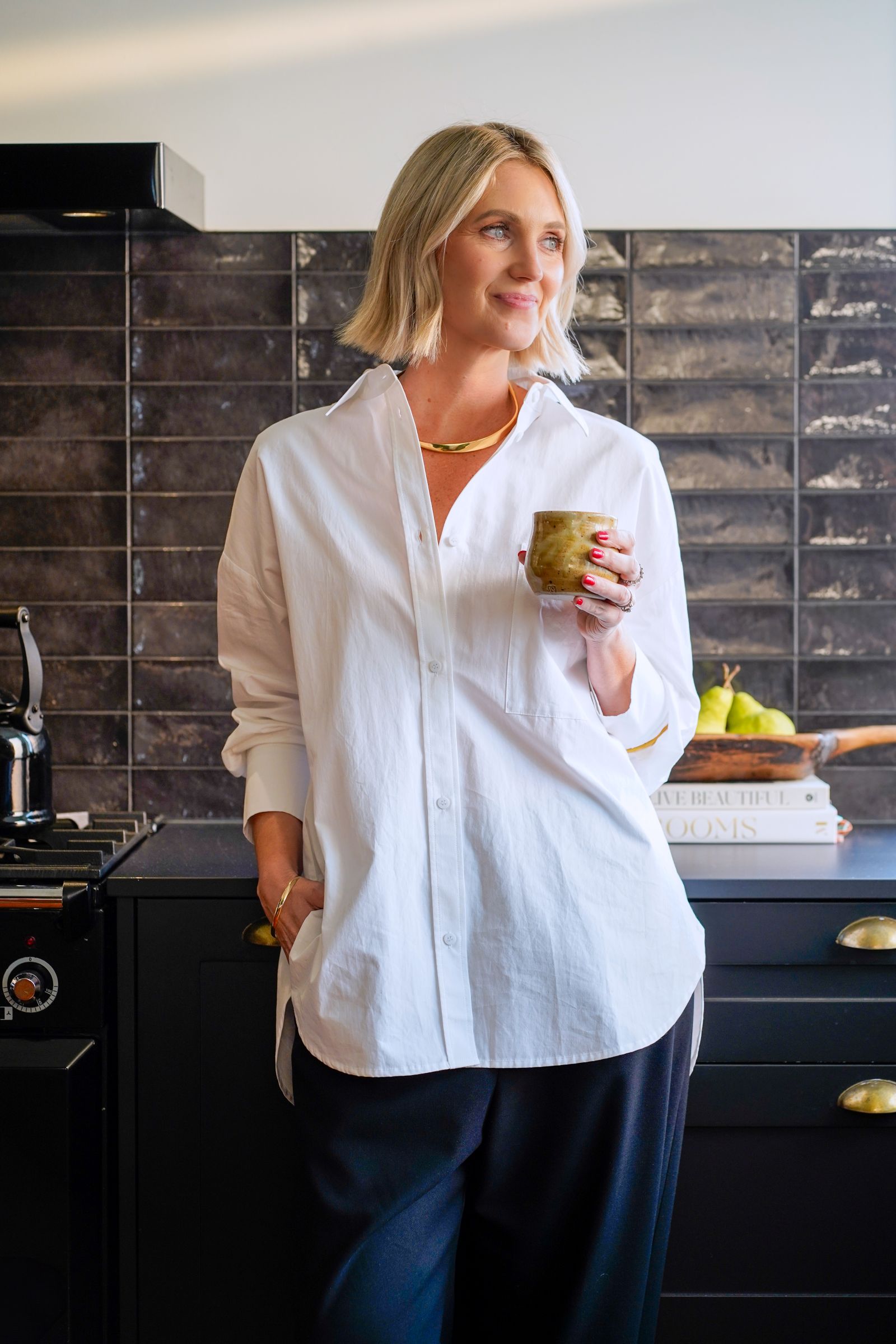
Gina Urlich founder of Odi Nutrition
As concerns grow around sugar content, nutritional diversity and the quality of ingredients in commercial baby and children’s foods, Odi Nutrition is taking a different approach by placing nutrient density at the centre of product development. Founded by clinical nutritionist, nurse and mother Gina Urlich, the New Zealand-based children’s nutrition brand focuses on delivering meaningful nutrition through whole-food ingredients and convenient formats designed for different stages of childhood.
Odi’s formulations incorporate nutrient-dense ingredients such as organ blends, bone broth, vegetables, quality protein sources and kelp, alongside algal DHA omega-3. The brand’s portfolio spans from first foods at six months through to products for children up to 14 years, reflecting its broader ambition to address nutritional needs as children progress from infancy to school age.
As Odi expands into Australia, Urlich believes consumer expectations are moving beyond conventional clean-label claims towards greater scrutiny of ingredient lists and nutritional value. In this interaction with NUFFOODS Spectrum, Gina Urlich discusses the nutritional gaps she identified in the children’s food category, the science and considerations behind Odi’s formulations, the importance of reducing reliance on sweetness, and how innovation can help families access nutrient-dense foods without compromising convenience.
What gaps in the existing baby and children’s food category led you to establish Odi? How did your experience as a clinical nutritionist, nurse, and mother influence the brand’s approach to developing children’s foods?
Odi was created from clinical insight and lived experience. I was seeing the consequences of nutrient-poor diets in practice, while navigating the everyday realities of feeding young children as a mother.
Infants and children have exceptionally high requirements for nutrients such as iron, iodine, omega-3 & essential fats. Yet too many convenient products prioritise sweetness over the needs of a rapidly growing child.
Iron was a defining concern. From around six months, babies have a high iron requirement relative to their size, just as their stores decline and they eat only small volumes. Every mouthful matters.
Parents don’t need more pressure. The supermarket aisle is already overwhelming. They need trusted, nutrient-dense options that make feeding their children well easier in the reality of everyday life.
That became Odi's founding question: what if convenience didn't have to mean nutritional compromise? We set out to redefine children's food around meaningful nutrition, without losing sight of how families actually live.
Odi places a strong emphasis on nutrient density rather than sweetness and convenience. How are you formulating products to ensure they deliver key nutrients such as iron, protein, iodine, and omega-3 while remaining appealing and convenient for children and parents?
We start with the nutritional need and formulate backwards from there.
Rather than asking, "What will make this product taste sweet enough for a child to eat?" we ask, "What does a child at this stage actually need, and how can we deliver that through real food in a format families will genuinely use?"
That philosophy influences everything from ingredient selection to serving size and format. We use nutrient-dense wholefood ingredients such as organ blends, bone broth, kelp, vegetables and quality protein sources, alongside carefully selected functional ingredients such as algal DHA omega-3.
Taste is obviously incredibly important, but we don't believe children's food needs to be overwhelmingly sweet to be accepted. Early childhood is an opportunity to expose children to a broad spectrum of flavours and help develop their palate rather than continually reinforcing a preference for sweetness.
Convenience is also critical. Nutritionally perfect food that a parent can't realistically prepare or a child won't eat isn't particularly useful. Our job is to bring those three things together: nutrient density, acceptance and genuine convenience.
Commercial baby foods are increasingly being scrutinized for their sugar content and nutritional diversity. What changes do you believe are needed across the category to better align convenient baby and children’s foods with nutritional requirements?
I think the category needs to shift its focus from what a product doesn't contain to what it actually contributes nutritionally.
For a long time, children's food has been marketed through claims such as "no added sugar", "organic" or "made with real fruit". Those things can be valuable, but they don't necessarily tell us whether a food is nutritionally appropriate for a growing child.
A product can have no added sugar and still derive much of its energy from concentrated fruit ingredients. It can be organic but provide very little iron, protein, essential fats or other nutrients children require.
I'd like to see the industry move towards a much more meaningful question: what nutritional job is this food doing?
Babies and young children have high nutrient requirements but relatively small stomachs, which means there isn't a lot of room for nutritionally empty food. We need greater diversity of ingredients, less reliance on sweet fruit-dominant formulations, more savoury options, and much greater consideration of nutrients that can be challenging to obtain during childhood.
Odi uses whole-food ingredients such as organic vegetables, organ blends, bone broth, and algal DHA omega-3. What considerations go into selecting these ingredients, and how do you approach balancing nutritional benefits, taste, safety, and product acceptance among young children?
We select foods that are easy for little bodies to digest, naturally nutrient-dense, and capable of delivering meaningful amounts of the nutrients children need.
Our formulations are built around nutritional requirements and recommended daily intakes. We look at what children need at each stage of development, where common nutritional gaps exist, and how we can use whole foods such as organ blends, bone broth and vegetables, alongside carefully selected ingredients like algal DHA, to make a meaningful contribution to those requirements.
For us, nutrient density has to translate into real nutrition on the plate: meaningful amounts, in realistic serving sizes, in foods children will actually eat.
We prioritise wholefood sources because nutrients don't exist in isolation in nature. Foods provide proteins, fats, minerals, vitamins and other compounds together within a food matrix. Organ meats, for example, are incredibly nutrient dense, while bone broth can contribute protein and amino acids in a very familiar food format.
For Omega-3, we use an algal source. Omega DHA is an important structural fat during periods of rapid growth and development.
But nutrition is only one part of formulation. Safety, quality, contaminant testing, age appropriateness, texture, flavour and acceptance are all fundamental.
We don't want to hide nutrition behind excessive sweetness. We want to make nutritious food taste genuinely good and help children become familiar with a wider range of flavours.
As Odi expands from New Zealand into Australia, what opportunities and challenges do you see in the Australian baby and children’s nutrition market? How are consumer expectations around clean-label, wholefood, and nutrient-dense products evolving?
Australia is an incredibly exciting market because I think parents are becoming much more sophisticated about what they are looking for.
"Clean label" is evolving. It is no longer enough for a product simply to remove artificial colours or preservatives. Parents are turning packs around. They're looking at ingredient lists, questioning added and concentrated sugars, looking at protein and iron, and asking what terms such as "natural flavours" actually mean.
The next evolution, in my view, is from clean label to nutrient density.
The challenge is that baby and children's food is an established category dominated by large global brands, and changing consumer expectations takes education. But that is also the opportunity.
Odi was created to challenge some of the conventions of the category. We believe parents increasingly want products that combine transparency and convenience with genuinely meaningful nutrition.
Ultimately, trust is incredibly important. Parents shouldn't need a nutrition degree to work out whether something is a good choice for their child. Our ambition is for Odi to become a brand where parents can turn the packet around, understand the ingredients and trust the nutritional thinking behind them.
Odi’s range now spans from six months through to 14 years. How do you see the brand evolving as children’s nutritional needs change across different stages of development, and what role will innovation play in expanding the portfolio?
We don't see Odi as just a baby food company. We see it as a children's nutrition company.
The nutritional challenges change as children grow. In infancy, the focus might be iron, essential fats, texture progression and introducing a diverse range of foods. As children move into toddlerhood, independence increases and snacking becomes part of family life. Then you move into school years, where lunchboxes, busy mornings, sport, appetite and convenience become much bigger considerations.
Our role is to understand those different stages and create better solutions for each of them.
Innovation for us isn't about creating products simply to fill shelves. It has to solve a genuine nutritional or practical problem. We ask: Where are families currently having to compromise? How could we make that product significantly better?
That might mean rethinking a familiar children's food through better ingredients, increasing nutrient density, removing unnecessary additives, or developing completely new formats that make good nutrition easier.
Our long-term vision is for Odi to support a child from their first foods through their school years and beyond. The format will change as they grow, but the philosophy remains the same: real food, meaningful nutrition, uncompromising transparency and convenience designed for real families.


