
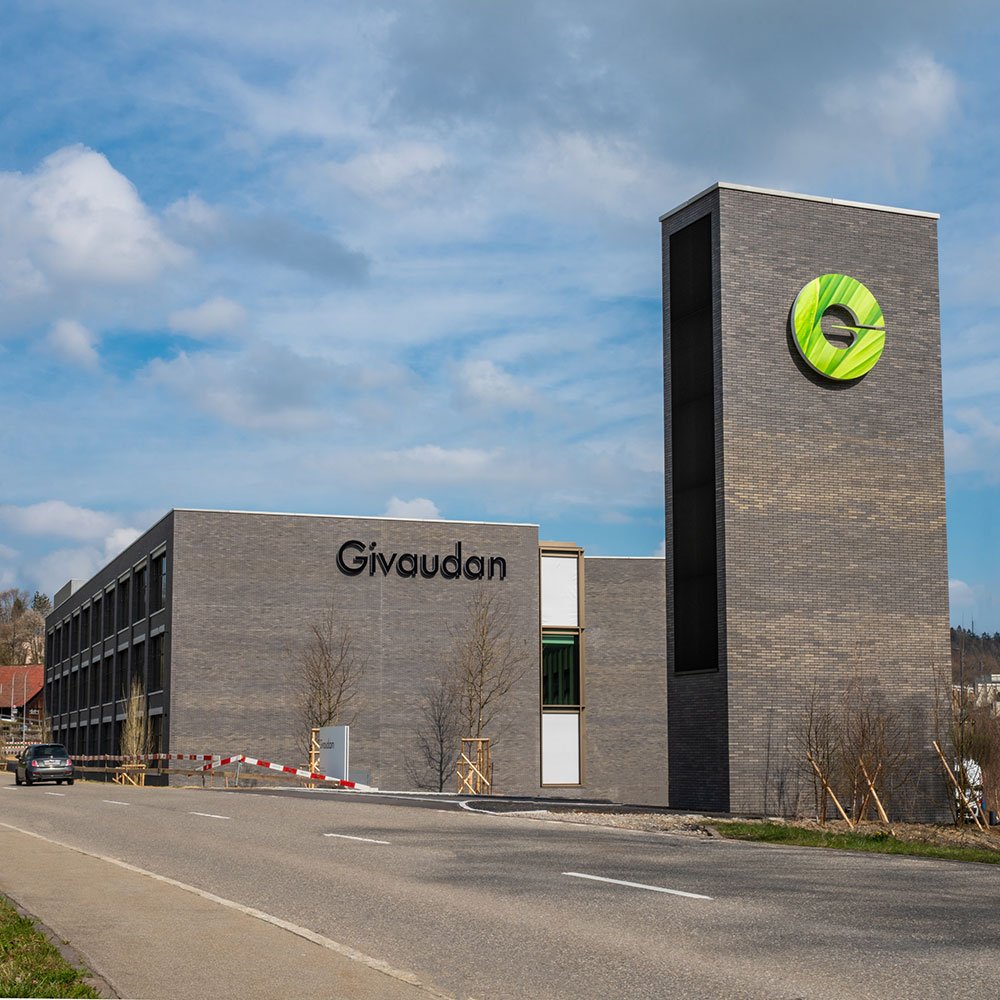
The Cikarang facility reinforces the company's regional manufacturing capabilities, customer proximity and sustainability commitments, supporting the growing demand for innovative food and beverage solutions across Asia-Pacific.
Givaudan has strengthened its manufacturing footprint in Southeast Asia with a new production facility in Cikarang, Indonesia, marking a strategic investment aimed at expanding its customer reach and supporting the region's evolving food and beverage industry.
The facility will manufacture savoury, sweet and snack flavour powders for a wide range of food and beverage applications, serving customers in Indonesia and other regional markets. The investment reflects Givaudan's confidence in Indonesia's growth potential and its ambition to strengthen its presence in strategically important markets across Asia.
Indonesia's position as one of Asia's leading fast-moving consumer goods (FMCG) markets makes it an important location for the company's expansion. The new facility is expected to strengthen its ability to respond to changing consumer preferences, improve customer service and support faster market response.
According to Givaudan, the investment aligns with its 2030 strategy of increasing its presence in strategic high-growth markets while extending its customer reach.
Beyond manufacturing capacity, the Cikarang facility is expected to support closer customer collaboration and innovation across the region. Givaudan's approach combines consumer insights, flavour innovation and product development to help food manufacturers respond to evolving taste preferences and demand for healthier products and consumer-friendly labels.
The company emphasises the importance of understanding local consumer expectations and translating them into flavour solutions that appeal to diverse markets. Southeast Asia's culinary diversity presents opportunities for manufacturers to develop products that reflect regional taste preferences while maintaining international standards of quality, safety and sustainability.
Givaudan said its innovation approach involves continuously gathering consumer insights and using advanced methodologies to understand consumer engagement and anticipate emerging preferences. Its portfolio is designed to address different taste profiles while helping customers meet increasingly demanding industry requirements.
Sustainability embedded in manufacturing
Sustainability is another key consideration in the design and operation of the Cikarang facility. The manufacturing site incorporates solar energy systems, rainwater harvesting, green electricity partnerships and energy-efficient lighting and water management.
These measures are intended to reduce the facility's environmental footprint while strengthening operational resilience and efficiency.
Givaudan views sustainability as an integral part of its manufacturing network and broader operational capabilities across Asia-Pacific. Its regional infrastructure enables the company to remain close to customers while advancing its commitments to safety, quality, service and environmental responsibility.
As food and beverage manufacturers increasingly focus on healthier formulations, consumer-friendly labels and sustainable production, flavour innovation is expected to remain important in delivering products that balance evolving nutritional expectations with taste and consumer acceptance.
Through its investment in Cikarang, Givaudan is seeking to strengthen this capability by combining regional manufacturing infrastructure, consumer understanding and flavour expertise to support the next phase of food and beverage innovation in Southeast Asia.


