
CSIR-Institute of Himalayan Bioresource Technology (CSIR-IHBT) and the Good Food Institute (GFI) India launched their joint report, Protein quality and bioavailability of indigenous crop-based ingredients and plant-based meat products in India, at a closed-door gathering at the CSIR Science Centre, with representatives from the Council of Scientific & Industrial Research, World Food Programme, GAIN, ITC, among other academic and industry stakeholders.
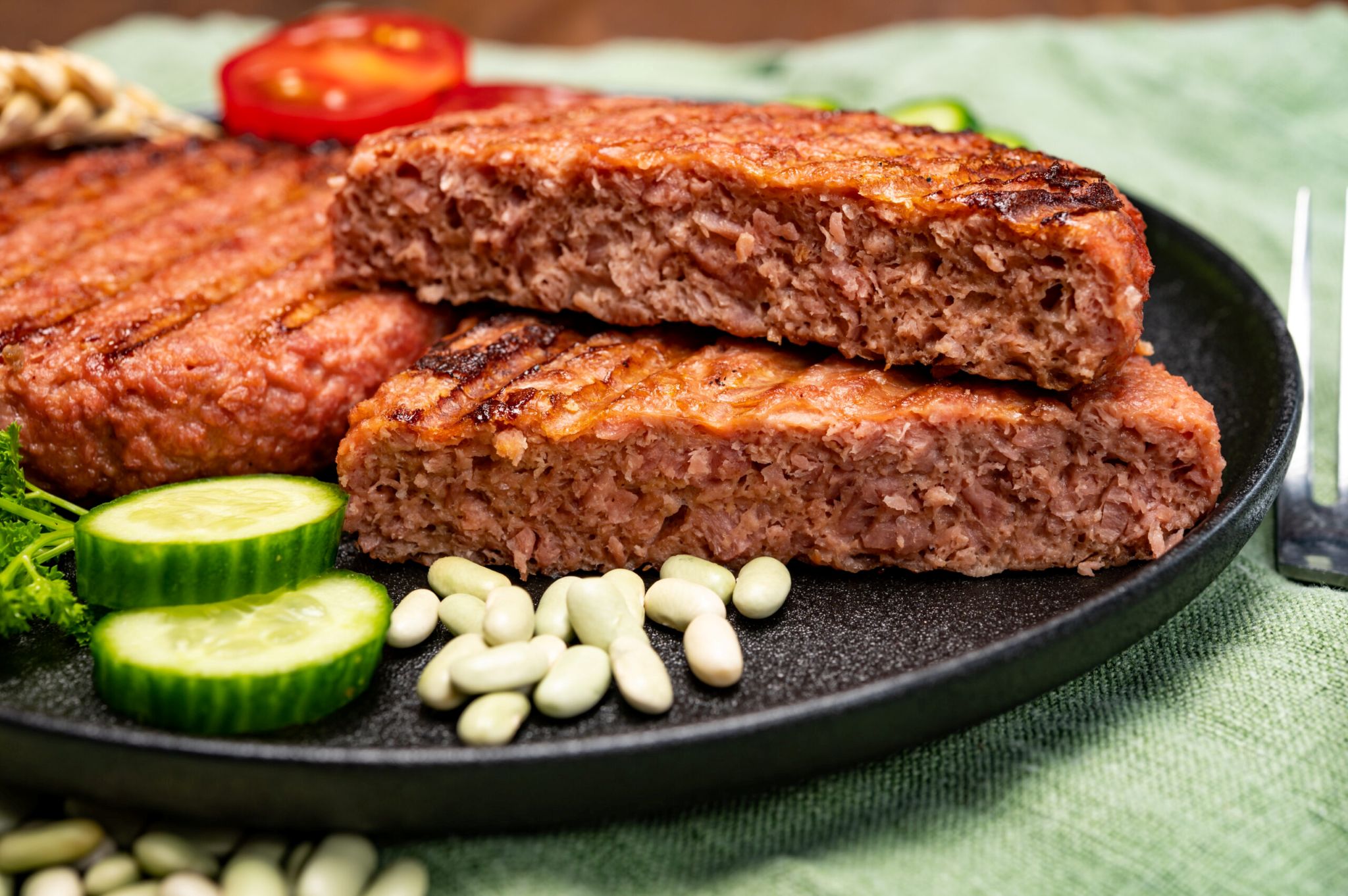
The study reveals that plant-based meat available in the Indian market can deliver comparable or higher absorbable (bioavailable) protein than conventional meat. Researchers tested five commercial plant-based meat products against conventional counterparts, using laboratory simulations of human digestion. After cooking, two plant-based seekh kebabs recorded 81 per cent and 86 per cent bioavailability, respectively, compared with 39 per cent for conventional chicken. Two plant-based patties scored 57 per cent and 58 per cent, against 21 per cent for conventional chicken. Plant-based nuggets scored 61 per cent, against 43 per cent.
Protein claims commonly found on food labels—a number most consumers rely on—only note how much protein is in the food and not how much will actually be used. In India, where nearly 50 per cent of dietary protein intake comes from cereals with incomplete amino acid profiles, considering quantity alone may not ensure adequate protein quality. Factors such as essential amino acid composition, digestibility, and bioavailability become especially critical when protein requirements must be met within a limited number of calories.
Co-author Padma Ishwarya, Senior Scientist, GFI India, said, “By building a stronger evidence base on protein quality in foods consumed, we can support better-informed product development and future nutrition assessments. India’s plant-based sector also can benefit from marketing nutrition claims beyond just grams of protein.”
The study also challenges the idea that processing compromises protein quality. Cooking raised or retained absorbable protein in four of the five plant-based meat products, while reducing it in certain conventional options. When analysing indigenous pulses and millets, researchers found that pressure cooking nearly quadrupled bioavailable protein in cowpea and raised it in chickpea, while fermentation more than tripled it in mung beans. Millets responded favourably to biological processing such as sprouting and fermentation.
With India importing nearly 90 per cent of its plant protein isolates, largely derived from a narrow range of crops such as soy and pea, these findings highlight opportunities to diversify the domestic ingredient ecosystem. Identifying effective processing methods can help expand the range of crops used in plant-based smart proteins and create higher-value markets for Indian farmers and manufacturers.
“Despite being the world’s largest producer of millets and pulses, India imports the majority of the plant protein concentrates and isolates. There is a strong need to generate robust scientific evidence to position indigenous crops for meaningful nutritional outcomes. The joint research carried out by CSIR-IHBT and GFI India enables a self-reliant protein ecosystem for India,” stated Dr. Sudesh Kumar Yadav, Director, CSIR-IHBT.


